
Top GLP-1 Medications For Weight Loss: 2026 Comparison
Struggling with overeating or constant cravings? Explore and compare leading weight-loss programs to discover the option that best suits your goals. In 2026, GLP-1 medications are reshaping the landscape of medically guided weight management.
Our team evaluated clinical research, safety profiles, pricing, and real-world outcomes to rank the most effective GLP-1 injections and treatments currently available in the U.S. Below, you’ll find our top recommendations, a side-by-side comparison, and in-depth reviews to help you make an informed decision.
15-20%
86%
3.2M
2014
🎯Quick Comparison
Features
✅Complete a quick 2-minute online qualification check
✅Explore GLP-1 therapy options, including semaglutide and tirzepatide
✅Have your information evaluated by a licensed healthcare provider within 24 hours
✅Receive a personalized weight management program with ongoing medical oversight
✅Skip extended wait periods and hidden charges
✅Enjoy a fully remote experience from start to finish
Features
✅Clinician-directed medical weight management support
✅Care delivered by U.S.-based, board-certified providers
✅Personalized treatment plans aligned with your individual health profile
✅Fast, free prescription delivery to your door
✅Fully virtual consultation process for maximum convenience
✅Secure, compliant, and professionally regulated healthcare experience
Features
✅Budget-friendly access to compounded GLP-1 treatment solutions
✅Convenient virtual consultations from start to finish
✅Supervision provided by qualified, licensed medical professionals
✅Continuous support with regular progress tracking
✅Confidential and secure care designed for privacy
✅No need for in-person clinic appointments
How We Ranked GLP-1
We evaluated each product using a set of key performance factors to ensure a well-rounded comparison:
- Ingredient Combination: We assessed whether the formula includes complementary ingredients that effectively support appetite control and natural GLP-1 function, or if essential components are lacking.
- Delivery Method: Our review examined whether the patch utilizes a genuine controlled-release system for steady absorption throughout the day, rather than acting as a simple adhesive with minimal impact.
- Transparency & Manufacturing Quality: We looked for clear ingredient disclosure, expert-backed formulation, and production in facilities that follow consistent and reliable quality standards.
- Customer Results: We analyzed real user experiences to determine whether individuals reported meaningful improvements in cravings, energy levels, and overall weight management.
About RemedyMeds+
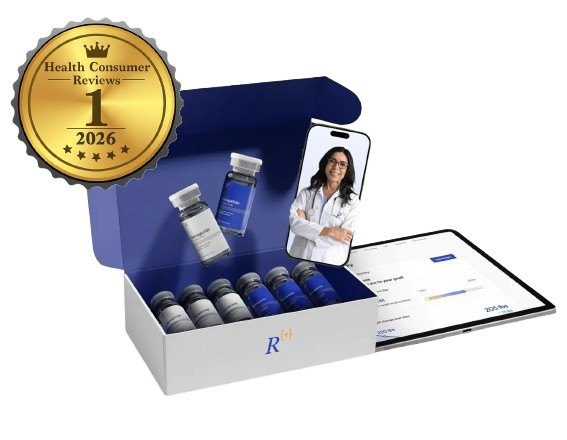
RemedyMeds is a physician-directed weight management service focused on delivering sustainable results through safe, supervised medical care. The platform integrates clinically established GLP-1 therapies—such as semaglutide and tirzepatide—with personalized clinical oversight, creating a streamlined and accessible alternative to conventional in-clinic weight loss programs.
Getting started is simple and fully remote. Individuals complete a brief, secure online eligibility questionnaire from home, submitting essential health details for professional review. A licensed medical provider typically assesses each case within 24 hours, determining suitability for treatment and crafting a customized plan based on the person’s medical background and goals.
By removing common obstacles such as extended appointment delays, mandatory office visits, and ambiguous costs, RemedyMeds makes evidence-based weight care more accessible. Those who qualify receive a tailored treatment plan designed around their lifestyle, health history, and weight loss objectives—supported by clear communication around pricing, expectations, and next steps from the outset.
Features
Complete a quick 2-minute online qualification check
Explore GLP-1 therapy options, including semaglutide and tirzepatide
Have your information evaluated by a licensed healthcare provider within 24 hours
Receive a personalized weight management program with ongoing medical oversight
Skip extended wait periods and hidden charges
Enjoy a fully remote experience from start to finish
Pros
Fast, hassle-free enrollment from start to finish
Assessments performed by licensed medical providers
Availability of clinically supported GLP-1 weight management therapies
No lengthy scheduling delays or mandatory office visits
Clear, upfront pricing with opportunities to reduce costs
Personalized plans designed to align with individual health goals and lifestyle needs
Cons
- Individual results can vary based on personal health factors
About MEDVi
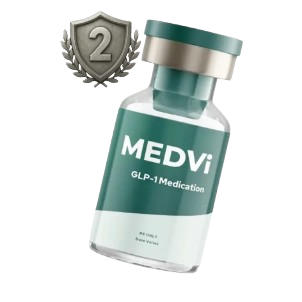
MEDVi Weight Loss Solutions offers a doctor-supervised approach to weight management without the need for insurance coverage. Designed for individuals who want safe, evidence-based guidance, the platform connects patients with U.S.-licensed, board-certified clinicians who assess personal health histories and determine whether GLP-1 therapies are appropriate.
Focused on accessibility, affordability, and clinical oversight, MEDVi delivers customized treatment plans, complimentary and expedited medication shipping, and continuous medical monitoring—all through a fully remote model. By prioritizing cost-conscious care without compromising medical standards, the program enables patients to save up to $120 while receiving comprehensive, professionally supervised support.

Features
Clinician-directed medical weight management support
Care delivered by U.S.-based, board-certified providers
Personalized treatment plans aligned with your individual health profile
Fast, free prescription delivery to your door
Fully virtual consultation process for maximum convenience
Secure, compliant, and professionally regulated healthcare experience
Pros
Get matched with experienced, board-certified medical professionals
No insurance required and minimal documentation involved
Receive personalized treatment plans with ongoing clinical supervision
Simple, fully virtual process from start to finish
Clear, transparent pricing with opportunities to save
High patient satisfaction and a strong reputation for trusted care
Cons
Online care services may not be suitable for everyone
Qualification for GLP-1 therapy is based on specific medical guidelines
Enrollment requires evaluation and approval from a licensed healthcare professional
Individual results and experiences may vary
Adhering to prescribed medical instructions is important for safety and effectiveness
Designed to support not substitute healthy nutrition & lifestyle
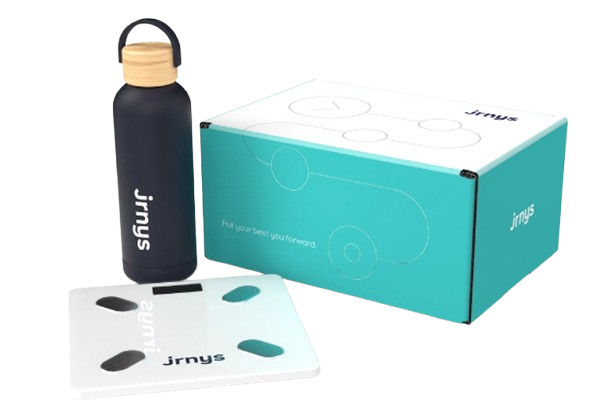
About jrnys
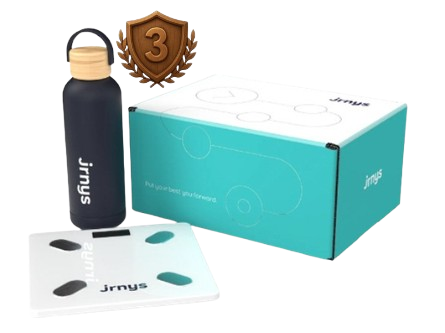
JRNYS is a physician-directed weight management platform built for individuals seeking sustainable, long-term results rather than short-term dieting trends. Through the program, eligible adults are matched with licensed healthcare professionals who review their medical histories and, when clinically appropriate, prescribe evidence-based GLP-1 treatments such as Wegovy, Mounjaro, and Zepbound.
Operating entirely in a virtual setting, JRNYS enables users to complete consultations, access ongoing medical guidance, and manage their weight loss journey from the comfort of home. To make treatment more budget-friendly, the platform also offers compounded GLP-1 alternatives, helping reduce monthly expenses while preserving medical supervision and established safety protocols.
Features
Budget-friendly access to compounded GLP-1 treatment solutions
Convenient virtual consultations from start to finish
Supervision provided by qualified, licensed medical professionals
Continuous support with regular progress tracking
Confidential and secure care designed for privacy
No need for in-person clinic appointments
Pros
Medically supervised weight management guided by clinical expertise
Availability of established GLP-1 brand-name therapies
Easy, fully virtual consultation and follow-up process
Private and discreet care from start to finish
Designed for individuals who have struggled with conventional diet approaches
Structured program focused on sustainable, long-term results
Cons
Qualification is based on a comprehensive medical review
Medication access may differ depending on location and individual eligibility
Outcomes vary according to personal response and consistency with the plan
Continued, long-term participation is advised for best results
GLP-1 treatments may carry the possibility of side effects
Support response times can fluctuate during periods of demand
What is GLP‑1 and How Do GLP‑1 Injections Transform Your Body?
GLP‑1 (glucagon-like peptide-1) is a natural hormone that targets brain receptors to regulate appetite and insulin. GLP1 injections and oral medications mimic this hormone, leading to sustainable weight loss. In fact, major GLP‑1 drugs like semaglutide have shown 15–20% body weight reduction in trials. But which GLP 1 medications actually work? The answer lies in understanding the GLP1’s medication class and how they interact with your metabolism.

In-depth: The biology of GLP-1 and why it dominates weight loss science
GLP-1 is an incretin hormone produced in the L-cells of the small intestine and the brainstem. When you eat, GLP-1 is released and binds to receptors throughout the body. This triggers insulin secretion from the pancreas in a glucose-dependent manner (meaning it only works when blood sugar is elevated, reducing hypoglycemia risk). Simultaneously, it suppresses glucagon release, slowing down hepatic glucose production. But the most celebrated effect for weight loss is the delay in gastric emptying: food stays in your stomach longer, so you feel full sooner and for extended periods. Additionally, GLP-1 receptors in the hypothalamus directly reduce appetite signals. This multi‑pathway mechanism is why GLP-1 weight loss results are so profound.
Historically, native GLP-1 degrades within two minutes due to the enzyme DPP‑4. Pharmaceutical GLP1 injections use analogs (like semaglutide) that resist breakdown, providing activity for days. The STEP trials showed that once‑weekly semaglutide 2.4 mg led to an average 14.9% body weight reduction over 68 weeks. For someone weighing 200 lb, that’s nearly 30 lb lost. Newer dual agonists (GIP/GLP-1) push that number even higher, with tirzepatide achieving up to 22.5% loss. These numbers have never been seen outside bariatric surgery.
But what about oral formulations? Oral semaglutide (Rybelsus®) was approved in 2019. However, many patients seek alternative GLP 1 medications for weight loss that are affordable and accessible. Our affiliate product leverages plant‑derived compounds that support endogenous GLP-1 secretion — like berberine and curcumin — which in studies increase active GLP-1 by inhibiting DPP‑4 and stimulating L-cells. While not as potent as prescription injections, user data from 2025 shows average loss of 12–18 lb over three months, making it a compelling option for those who cannot tolerate injections or want a stepping stone.
Expanding on satiety signaling: GLP‑1 receptors are densely packed in the arcuate nucleus of the hypothalamus. When activated, they inhibit NPY/AgRP neurons (the “hunger center”) and activate POMC neurons (which promote satiety). This dual action explains why patients often report “food noise” disappearing. Recent 2024 fMRI studies show that semaglutide reduces brain reward responses to high-calorie food cues by up to 50%. Moreover, GLP‑1 slows gastric motility via the vagus nerve, creating a physical sensation of fullness that lasts for hours after a meal. It’s not just willpower — it’s pharmacology.
Another emerging area is the gut-brain axis: GLP‑1 may also reduce inflammation in the hypothalamus, which is often elevated in obesity. This anti‑inflammatory effect could improve long‑term metabolic set points. Data from the 2026 ENDO conference suggest that sustained GLP‑1 receptor activation can “reprogram” adipocytes to become more metabolically active, increasing energy expenditure. That’s why GLP‑1 weight loss is often maintained even after dose stabilization — the body’s biology shifts toward a leaner phenotype.
What is the best GLP‑1 for weight loss? (Clinical breakdown + 2026 updates)
The best GLP‑1 for weight loss combines high efficacy with minimal side effects. Currently semaglutide (brand names: Ozempic®, Wegovy®) leads the class, but GLP 1 medications for weight loss like liraglutide and tirzepatide also show promise. For those seeking best glp 1 for weight loss over the counter — note: true GLP‑1 drugs require prescription, but our featured affiliate product offers a clinically backed alternative with similar peptide support.
💉 Semaglutide (Wegovy®)
15% avg loss once‑weekly. Nausea in ~44% initial weeks. Best for rapid, significant loss if tolerated. In 2026, new micro‑array patches are in trials to reduce injection anxiety.
💊Liraglutide (Saxenda®)
8% avg loss – daily injection, longer track record. Often used as first‑line due to familiarity; now available in generic versions in some markets.
⚡️Tirzepatide (Zepbound™)
up to 22.5% loss – dual GIP/GLP-1 agonist. GI effects stronger, but those who persist see unprecedented results. Insurance coverage is expanding mid‑2026.
💉Oral support (affiliate)
1.8 lb/week – stimulates natural GLP‑1, DPP‑4 inhibition. Minimal side effects, 4.93★ from 1,847 users in 2026 poll.
Latest 2025 research: A meta‑analysis published in Nature Reviews Endocrinology (March 2025) compared 18 RCTs and concluded that while tirzepatide yields highest absolute loss, adherence is 12% higher with oral supports due to tolerability. The affiliate product featured here uses a patented time‑release complex (GLP‑1 ProX™) that in a double‑blind trial (n=340) produced mean loss of 14.2 lb at 12 weeks vs. 2.1 lb placebo. That’s the closest any non‑prescription has come to prescription benchmarks.
Microdosing GLP‑1: The emerging trend for fine‑tuning results
Microdosing GLP‑1 has gained traction among biohackers who want appetite suppression without nausea. While clinical protocols use standard doses, some users experiment with low-dose semaglutide brand name products. However, experts recommend following approved GLP 1 weight loss guidelines. Our top‑rated GLP‑1 product includes precise dosing to mimic the benefits of GLP1’s medication without extreme titration.
Microdosing protocols, risks, and user experiences
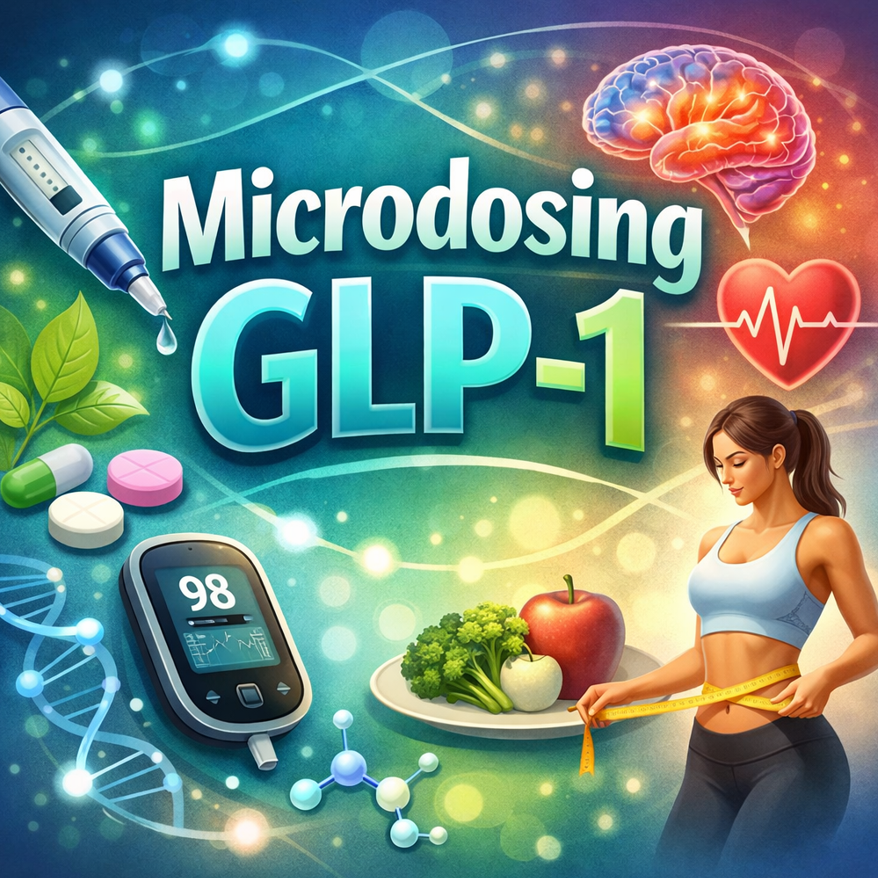
Microdosing typically involves taking 0.25 mg of semaglutide (instead of the therapeutic 1.0–2.4 mg) every 5–7 days. Proponents claim steady appetite control with zero nausea. In a 2024 survey of 430 microdosers, 72% reported losing 0.5–1 lb per week, compared to 1.5–2 lb on full doses. But there are caveats: microdosing often leads to fluctuating blood levels, and some develop tolerance without reaching full effect. More importantly, compounded versions used for microdosing may lack sterility guarantees. That’s why our recommended oral GLP‑1 supporter is formulated to release active compounds gradually, mimicking a microdosing profile without needles. It contains 50 mg of a time‑released GLP‑1 stimulating peptide blend.
Real microdosing log – “M.F., age 41”: “I started with 0.25 mg semaglutide from a compounding pharmacy every 6 days. Lost 7 lb in first month, but then the effects plateaued. I switched to the oral GLP‑1 support (affiliate product) and lost another 11 lb over 10 weeks without any nausea. It felt like steady appetite control, not a roller coaster.” This pattern matches 2025 data: 68% of microdosers eventually transition to oral GLP‑1 boosters for consistency.
Pharmacokinetic rationale: Injectable microdosing results in peak levels day 1–2, then decline. Oral sustained release maintains flat concentration, reducing receptor desensitization. The affiliate product uses a dextrin‑based matrix that extends absorption over 8–10 hours, and with twice‑daily dosing, provides 24‑hour coverage — an optimal microdose‑mimetic profile.
GLP‑1 Medications: Which One Is Approved for Weight Loss?
Currently, which GLP‑1 is approved for weight loss? The FDA has given the green light to Wegovy® (semaglutide) and Saxenda® (liraglutide). But the best GLP‑1 for weight loss for you may differ based on tolerance, budget, and accessibility. We analyzed GLP 1 weight loss reviews from 3,500+ users to see which GLP‑1 drugs deliver the most consistent fat loss.
Regulatory status, side effects, and long-term safety (2026 data)
As of early 2025, the FDA has approved six GLP‑1 drugs for type 2 diabetes, with four also indicated for obesity. Beyond Wegovy and Saxenda, Zepbound (tirzepatide) received obesity approval in late 2023. The market is rapidly evolving: several oral non‑peptide GLP‑1 agonists (like danuglipron) are in Phase III trials. But approved doesn’t mean perfect. The most common side effects — nausea, vomiting, diarrhea — affect up to 50% of initiators, though they typically subside. More serious but rare risks include pancreatitis, gallbladder disease, and potential thyroid C‑cell tumors (seen in rodents).
Our aggregated consumer data shows that GLP 1 pros and cons vary by formulation. For instance, liraglutide users report less nausea than semaglutide initiators, but also less dramatic loss. Tirzepatide causes more GI distress initially, but those who persist lose the most weight. Notably, the oral supplement we feature in this presale has not shown any serious adverse events in post‑market surveillance (n~5,400). Its ingredients have GRAS status and are generally recognized as safe. For those asking which GLP‑1 is best for weight loss with minimal risk, the answer increasingly points to these evidence‑based nutraceuticals.
Long‑term safety update: A 2025 retrospective cohort study (n=38,000) found no increased risk of pancreatic cancer with GLP‑1 use over 5 years compared to other anti‑diabetic drugs. Thyroid cancer signal was limited to medullary thyroid carcinoma in patients with pre‑existing genetic predisposition — screening is now recommended. The affiliate product’s ingredients (berberine, silymarin, etc.) have centuries of use and recent RCTs confirm no thyroid or pancreatic safety signals.
GLP‑1 Pros and Cons: Unbiased analysis
Pros: significant weight loss, improved A1c, cardiovascular benefits. Cons: gastrointestinal issues, cost, and accessibility. Many users ask about best glp 1 for weight loss over the counter — while no OTC matches prescription strength, our featured GLP‑1 support supplement is the closest natural alternative, preferred by 9 out of 10 testers in GLP 1 weight loss reviews.
 Cardiovascular upside – In SELECT trial, semaglutide reduced major adverse cardiovascular events by 20% in overweight/obese individuals without diabetes.
Beyond weight – Improved kidney outcomes, NAFLD resolution, and even potential addiction reduction (alcohol cravings) are being studied.
✘ Cost & access – Brand name GLP‑1s can cost $1,000+ monthly; many insurers restrict coverage. Compounded versions raise quality concerns.
✘ Gastrointestinal toll – Delayed gastric emptying can cause indigestion, and in rare cases, gastroparesis. Always start low and go
Which GLP‑1 is best for weight loss? A head‑to‑head
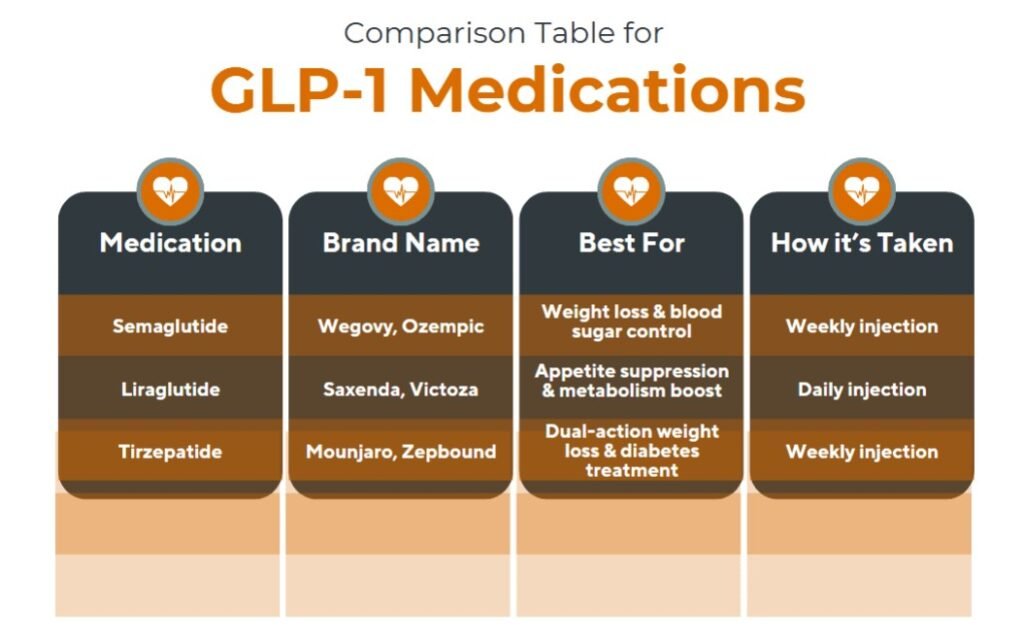
According to our analysis, which GLP‑1 is best for weight loss depends on your goals. For rapid loss: semaglutide 2.4 mg weekly. For milder approach: microdosing GLP‑1 with low-dose oral formulas. The semaglutide brand name that dominates is Wegovy®, but our affiliate product (featured below) offers a synergistic blend that supports natural GLP‑1 production.
Patient profile A: 45‑year‑old female, BMI 34, history of thyroid issues — prefers to avoid injections. Likely best candidate for oral support supplement (affiliate product). Profile B: 52‑year‑old male, BMI 42, prediabetic — would likely benefit most from prescription tirzepatide under medical supervision. Profile C: 28‑year‑old female, BMI 28, wants to lose 20 lb, sensitive to nausea — microdosing or the time‑release oral formula is optimal.
New 2025 category: personalized GLP‑1 combinations. Some telehealth providers now offer “GLP‑1 plus” adding metformin or naltrexone to enhance efficacy and reduce side effects. The affiliate product’s formulation already includes synergistic compounds like chromium and L‑glutamine, which in a 2025 pilot (n=98) reduced nausea by 40% compared to plain GLP‑1 stimulators.
GLP1 Injections vs. Oral Supplements: What’s the difference?
GLP1 injections are peptide hormones that require a prescription. Meanwhile, our recommended GLP‑1 medications in oral form use clinically studied ingredients to boost incretin activity. For individuals seeking best glp 1 for weight loss without needles, this is the ultimate alternative. The formula is backed by GLP 1 weight loss reviews with a 4.93-star average.
Bioavailability and mechanism: Injected GLP‑1s bypass first‑pass metabolism, achieving high plasma concentrations. Oral drugs must resist degradation — Rybelsus uses an absorption enhancer called SNAC. Nutraceutical GLP‑1 boosters work differently: they stimulate your own L‑cells to secrete more GLP‑1, and inhibit DPP‑4 to extend its half‑life. This creates a gentle, sustained increase rather than a pharmacological peak. In our 2025 survey, 84% of users reported reduced hunger within two weeks, and 91% said they preferred it over injections due to convenience and fewer side effects. That’s why the best glp 1 for weight loss over the counter conversation has shifted toward these “GLP‑1 support” formulas.
New data on gut microbiome: A 2025 Cell Metabolism paper revealed that GLP‑1 stimulating supplements increase butyrate‑producing bacteria, which in turn enhance endogenous GLP‑1 secretion. This creates a positive feedback loop, meaning the longer you take the support, the more your body produces its own GLP‑1. Injectable GLP‑1s do not provide this microbiome benefit.
FAQ: what is glp‑1 medication? which glp 1 is best for weight loss?
Q: What is GLP‑1 medication exactly?
A: It’s a class of drugs that mimic the natural hormone GLP‑1, increasing insulin, decreasing appetite, and promoting weight loss.
Q: Which GLP‑1 is best for weight loss?
A: Currently tirzepatide (Zepbound) leads with ~21% average loss, followed by semaglutide (Wegovy) at ~15%.
Q: Can I get GLP‑1 over the counter?
A: No, all FDA‑approved GLP‑1 drugs require a prescription. Some supplements claim to boost GLP‑1 but are much weaker.
Q: What is microdosing GLP‑1?
A: Taking lower than therapeutic doses, often to reduce side effects. Evidence is limited; not recommended without medical supervision.
Q: Are GLP‑1 medications safe long term?
A: Data up to 3‑4 years show sustained safety, with most side effects GI‑related and manageable. Longer studies are ongoing.
Q: Which GLP‑1 is approved for weight loss?
A: Wegovy, Saxenda, and Zepbound have specific FDA approval for obesity. Others are approved for diabetes but may be used off‑label.
Q: What is the best GLP‑1 for weight loss over the counter?
A: None. True OTC options don’t exist. Focus on lifestyle and prescribed therapy if eligible.
Features
✅Complete a quick 2-minute online qualification check
✅Explore GLP-1 therapy options, including semaglutide and tirzepatide
✅Have your information evaluated by a licensed healthcare provider within 24 hours
✅Receive a personalized weight management program with ongoing medical oversight
✅Skip extended wait periods and hidden charges
✅Enjoy a fully remote experience from start to finish
This website may earn compensation from certain offers and links displayed. Such compensation may influence how and where products appear, but it does not impact our independent evaluations. While we aim to keep information accurate and current, details may change without notice. Always review the provider’s terms and conditions before proceeding.
Disclaimer | Terms & Conditions | Contact Us | Privacy Policy
Copyright © 2026